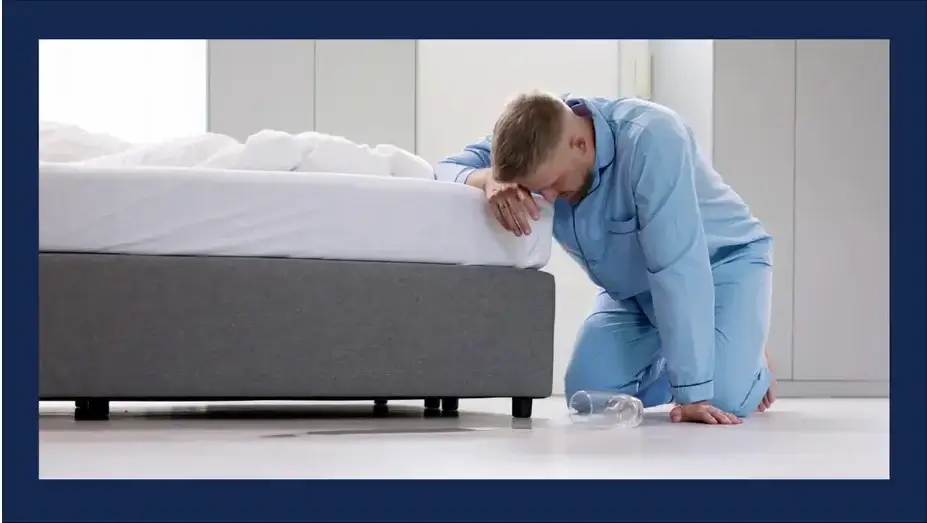
Benign Paroxysmal Positional Vertigo (BPPV) is one of the most common causes of dizziness and vertigo. It occurs when tiny calcium crystals, often called “ear crystals,” become displaced inside the inner ear and move into areas where they interfere with your balance system.
When these crystals move with changes in head position, they can send incorrect signals to your brain, causing a sensation that the room is spinning.
Common Symptoms of BPPV
People with BPPV may experience:
A spinning sensation when turning your head
Symptoms when looking up or bending down
Feeling unsteady or off balance
Short episodes of intense vertigo
Dizziness when getting in or out of bed
These symptoms are often triggered by specific movements and usually last less than a minute, although they can be very disruptive to daily activities.
How Physical Therapy Can Help
A physical therapist trained in vestibular rehabilitation can evaluate your symptoms and determine if BPPV is the cause of your dizziness.
Treatment may include repositioning techniques, such as the Epley maneuver, which helps move the displaced crystals back into their correct location. Your therapist may also provide balance exercises and education to help reduce the risk of recurring symptoms.
If you are experiencing dizziness or vertigo, you do not have to simply live with it. Proper evaluation and treatment can help you return to normal activities safely.